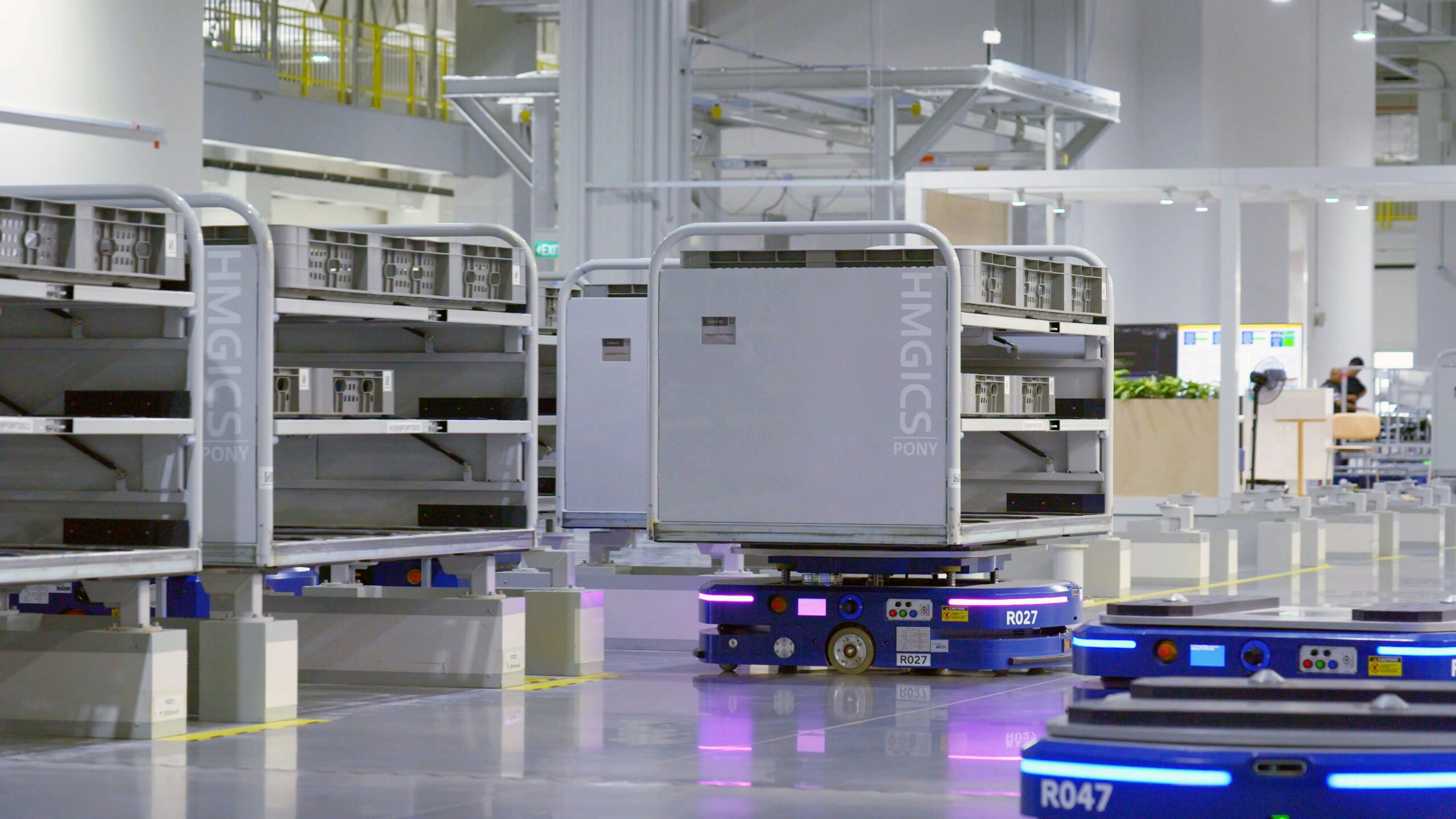
Industry 4.0 in Industrial Chain Manufacturing
Industry 4.0 is rapidly transforming industrial chain manufacturing. Through industrial digitalization, advanced automation, and industrial data analytics, manufacturers can now optimize production processes, improve product quality, and respond faster to changing market demands.
In today’s increasingly competitive industrial environment, procurement teams are no longer focused on price alone. Supplier reliability, industrial traceability, delivery speed, and technical support have become critical decision-making factors.
As a result, industrial manufacturers must provide flexible, scalable, and high-performance solutions tailored to modern production requirements.
Global industrial chain market reports confirm sustained growth driven by industrial automation and the modernization of manufacturing systems.
Industry 4.0 and smart manufacturing systems
Industry 4.0 integrates advanced digital technologies into industrial environments to create smart factories and connected manufacturing systems.
Core technologies include:
- Advanced industrial automation
- Industrial IoT (Internet of Things)
- Artificial intelligence in manufacturing
- Big Data analytics
- Real-time production monitoring systems
In industrial chain manufacturing, this digital transformation impacts the entire industrial value chain:
- Product design and engineering
- Manufacturing and assembly
- Heat treatment processes
- Quality control systems
- Logistics and supply chain management
- Delivery planning
Digitalization also improves communication between departments and increases visibility across production and supply chain operations.
Industrial automation and smart factories
Industrial automation is one of the key drivers behind smart manufacturing performance and operational efficiency.
Main benefits of industrial automation
- Higher manufacturing precision
- Reduced human error
- Increased industrial productivity
- Consistent product quality
- Optimized production time
In industrial chains, where durability, precision, and resistance are essential, automation ensures higher reliability and manufacturing consistency.
Smart factories use industrial sensors and connected systems to monitor production in real time, detect deviations, and continuously optimize industrial performance.
Industrial traceability and digital supply chains
Digital traceability has become a core requirement in modern industrial supply chains.
Industrial customers increasingly demand full visibility over:
- Raw materials
- Manufacturing processes
- Quality control procedures
- Applied treatments
- Production batches
Thanks to digital transformation, this information can now be automatically recorded and accessed quickly and accurately.
Benefits of digital traceability
- Increased industrial transparency
- Improved documentation control
- Faster incident response
- Easier audits and compliance processes
- Stronger customer trust
In addition, industrial traceability improves internal production management and enhances logistics efficiency.
Predictive maintenance and industrial efficiency
Predictive maintenance is one of the most impactful applications of Industry 4.0 technologies.
Unlike traditional corrective or preventive maintenance models, predictive maintenance uses industrial sensors and real-time data analytics to identify potential failures before they occur.
Key monitored indicators
- Abnormal vibration patterns
- Equipment wear and fatigue
- Temperature fluctuations
- Performance degradation
Benefits of predictive maintenance
- Reduced industrial downtime
- Lower maintenance costs
- Improved equipment availability
- Better production planning
In industrial sectors where production interruptions can generate major financial losses, predictive maintenance provides a significant competitive advantage.
Artificial intelligence and industrial data analytics
Artificial intelligence in manufacturing is transforming how industrial companies optimize production processes and operational performance.
By collecting and analyzing large volumes of industrial data from machinery, production systems, and quality control operations, manufacturers can continuously improve efficiency and productivity.
Main applications of industrial AI
- Automated defect detection
- Production parameter optimization
- Predictive quality control
- Energy efficiency improvement
- Smart inventory management
Real-time industrial analytics enables faster and more accurate decision-making across manufacturing operations.
Industry 4.0 and industrial sustainability
Digital transformation also plays a key role in industrial sustainability.
Smart manufacturing systems help companies optimize resource usage and reduce environmental impact through more efficient production processes.
Sustainability benefits of smart manufacturing
- Reduced energy consumption
- Lower industrial waste generation
- Optimized raw material usage
- Improved production efficiency
Today, sustainability is becoming an increasingly important factor in industrial supplier selection and long-term procurement strategies.
Conclusion: Industry 4.0 as a competitive advantage
Industry 4.0 is redefining industrial chain manufacturing. Technologies such as automation, digital traceability, predictive maintenance, and artificial intelligence are enabling manufacturers to become more efficient, flexible, and competitive.
For procurement professionals and supply chain managers, partnering with digitally advanced manufacturers provides a strategic advantage in terms of quality, reliability, responsiveness, and operational performance.
Industrial digital transformation is no longer optional — it is now a fundamental requirement for industrial competitiveness, operational excellence, and long-term market visibility.